A New Standard
The architecture your AI is missing.
The sound barrier didn’t stop aviation. It defined the engineering required to go faster.
Your business has a similar barrier. We built the airframe to safely surpass it.
The sound barrier didn’t stop aviation. It defined the engineering required to go faster.
Your business has a similar barrier. We built the airframe to safely surpass it.
Chuck Yeager’s Bell X-1 didn’t break the sound barrier with a bigger engine — it broke it with a better airframe.
Business has never had canon. The NL/JSON handoff point. Why most enterprise AI pilots fail — and why the problem is architecture, not intelligence.

The DLM equation. O(1) semantic addressing vs. O(n) search. Information sovereignty. 3P0 Architecture — you own the memory, AI remains stateless.

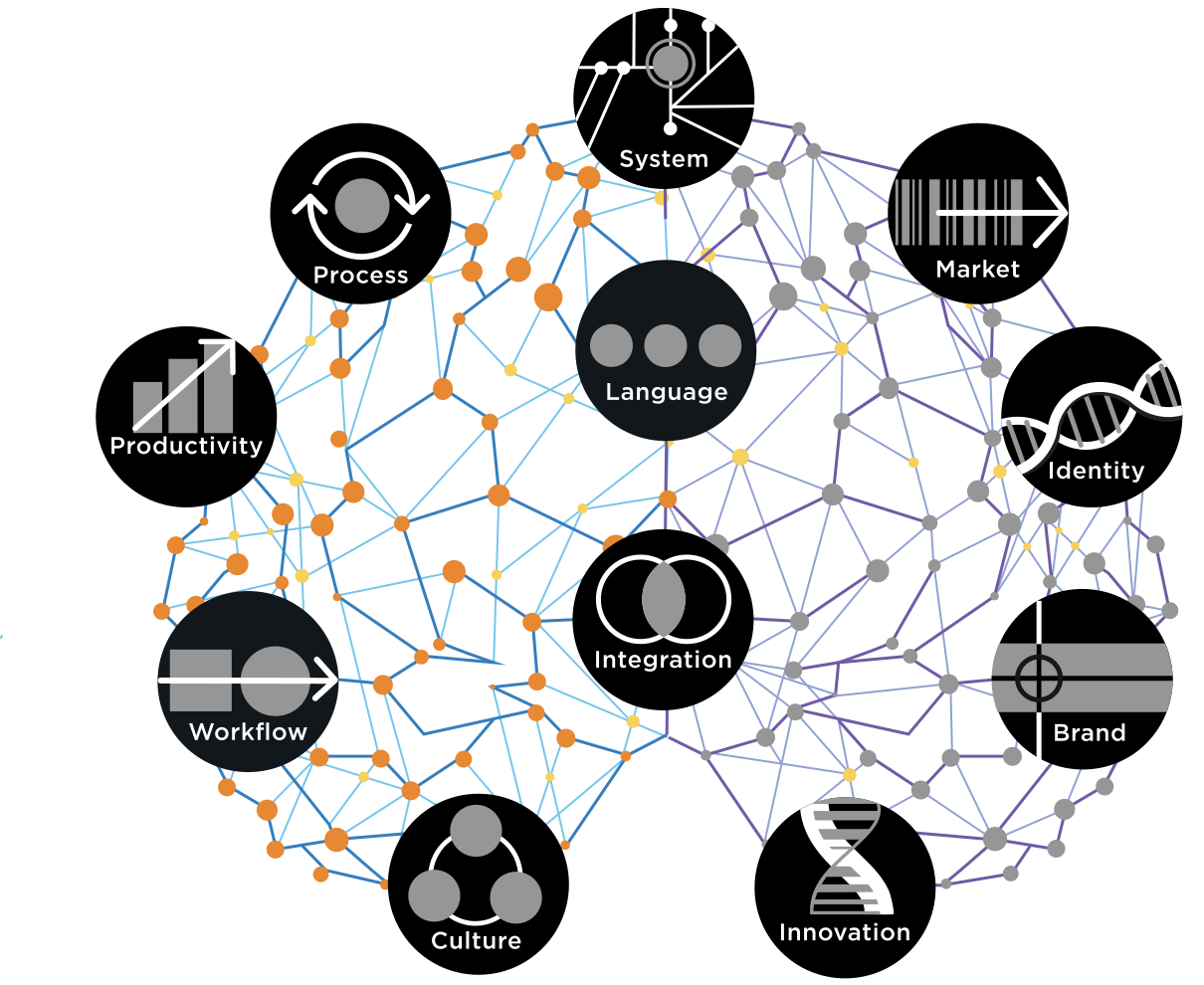
Smart OS activation at 15 memories. The Constitutional 26 that define organizational balance. Three paths from this book to a working Org Brain.
RAG searches. Org Brain addresses. The difference isn’t speed — it’s whether your AI is guessing or reading the canonical source by name.
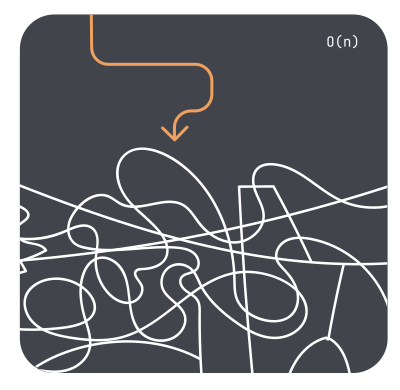
Slows as knowledge grows. Three departments each have a competitive analysis? RAG returns all three and hopes the AI sorts it out. The platform owns the index.
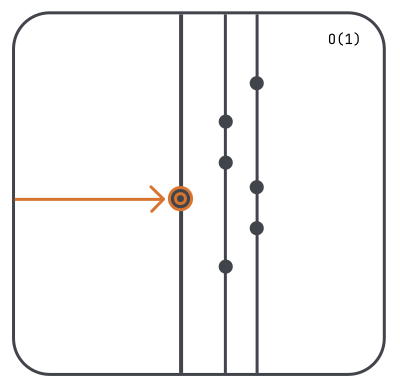
Constant speed regardless of scale. MA20 is always your competitive position — for everybody, across versions. The organization owns the repository.
“The moment our knowledge had a clear anchor, every AI conversation changed.”
What Chris describes in this book isn’t theory. It’s what happens when you stop treating AI as a tool and start giving it something worth remembering. The moment our knowledge had a clear anchor, every AI conversation changed. Context stopped evaporating. Decisions started compounding. The system got smarter because we got clearer and it wasn’t the AI model that improved, it was that data drift disappeared and the system knew the how and the why of operations.
If you’re adding AI to your organization and wondering why it’s not working the way you expected, this book will show you why. The barrier was never the technology.
— Brady Patterson, SelfOS
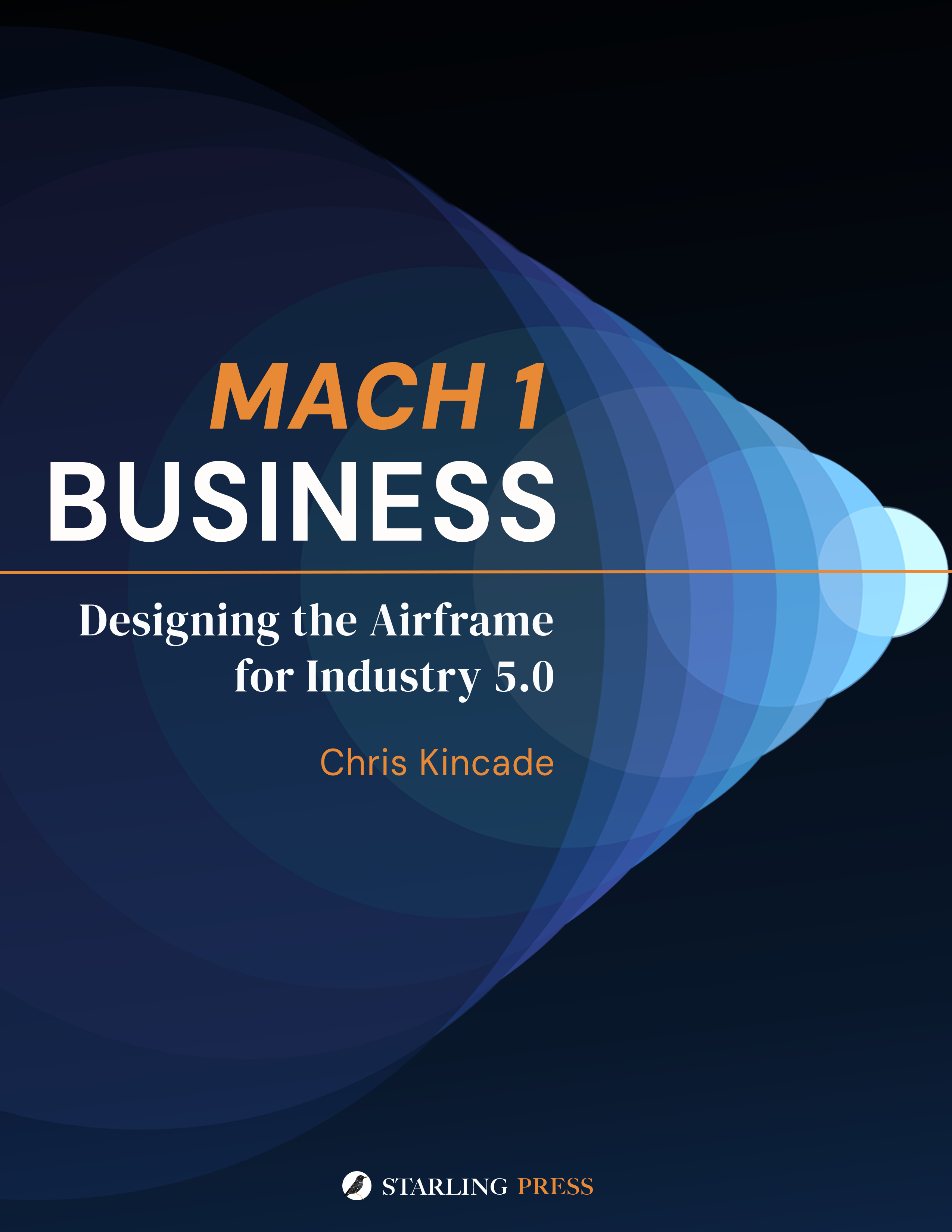
Mach 1 Business — the free architecture guide for AI-native organizations. The book that names the forces breaking enterprise AI, introduces the Domain Language Model, and includes the complete UCA Standard as a working appendix. It’s also a dataset — load it into your AI and summon Starling.
You’ll also get On Cognitive Design, a weekly deep dive on sovereign organizational memory. Cancel anytime.